


-

Add: HeBei ShengShi HongBang Cellulose Technology CO.,LTD.
-

Email
13180486930@163.com -

CONTACT US
+86 13180486930



Rubber Powder is a cutting-edge recycled material obtained by grinding waste rubber into fine granules, widely used across polymer compounds, tire production, coatings, industrial gaskets, and more. Amidst rising sustainability standards and advanced recycling technologies, understanding rubber powder uses is vital for manufacturers, engineers, and buyers seeking cost-effective and high-performance solutions. This in-depth guide explores market trends, technical data, production processes, and Rubber powder-821 as a standout product backed by real-world applications and professional insights. 1. Industry Trends & Market Outlook (2024) Global Market Size (2024E): USD 2.4 Billion. Projected CAGR (2024-2029): 7.9% ( Grand View Research, 2024 ). Key Growth Drivers: Circular economy push, tire recycling mandates, cost reduction for rubber compounds, improved nitrile rubber powder resilience. End-use Verticals: Tires, industrial floorings, coatings, sealants, shoe soles, modified asphalt, and sports fields. Emerging Techs: Cryogenic/electro-mechanical grinding, nano-structured fine rubber powder , hybrid rubber/talc blends. 2. What is Rubber Powder? Technical Overview & Main Parameters Material Source & Types Derived from scrap tires, SBR, or nitrile rubber powder . Types include coarse (180-400μm), fine (40-100μm), or surface modified grades for rubber powder coating or anti-tack applications. Key Physical Properties Particle Size: 40–400 μm Moisture Content: <0.5% Purity: >98.7% (free from steel/textile) Bulk Density: 450–650 kg/m 3 International Standards ISO/TS 9273: Rubber recycling - Particle size spec. ANSI/ASTM D5603 for Recycled Rubber Quality REACH/FDA for coating & compound approvals Rubber Powder Parameters & Rubber Powder Uses Table Application Grade (Particle Size) Industry Value-Added (USD/ton) Technical Benefits Rubber powder uses in Tire Tread 80-120 mesh (≤175μm) Automotive 115-150 Good abrasion & consistency Rubber powder for Asphalt Modifier 40-80 mesh (450–180μm) Infrastructure 120-160 Enhanced elasticity, crack resistance Nitrile rubber powder for EPDM Compounds 80–200 mesh (175–75μm) Industrial/Automotive 140-175 Oil/solvent resistance, anti-tack Rubber powder coating Microfine (<63μm) Coating/Construction 155-190 UV, chemical resistance, tight film Talc powder for rubber blend Blend Rubber Compound 25-40 Improves processing, prevents sticking 3. Production Process: Manufacturing Flow of Rubber Powder Stepwise Manufacturing Diagram – Rubber Powder Uses Supply Chain 1. Raw Material Collection: Waste tires, SBR/EPDM scrap, NBR pieces (pre-inspected for contaminants) 2. Primary Shredding: Hydraulic crushers reduce size to 40–100mm chips. Magnetic separator removes steel wire. 3. Fine Grinding/Milling: Cryogenic or ambient mills crush chips to required mesh. Sifter ensures size uniformity (e.g., 80–200 mesh for fine rubber powder ). 4. Surface Modification (Optional): Rubber anti-tack powder, talc powder for rubber, or chemical additives blended in for processing optimization. 5. Packaging & QC: Graded powder packed in moistureproof bags. Samples sent for ISO/ASTM testing—particle size, purity, moisture, and ash content are validated. 6. Supply: Delivered globally for tire, coating, sealant, and downstream rubber powder uses . [▶ Watch Rubber Powder Plant Video (3:28)] 4. Featured Product: Rubber powder-821 Model: Rubber powder-821 | Official Product Page Particle Size: 90–150 μm (typically 100 mesh) Color: Black Purity: ≥99.2%, steel-free Moisture: ≤0.20% Bulk Density: 540–665 kg/m 3 Surface Modifier: Talc-powder blend option for improved anti-tack Compliance: ISO/TS 9273, ANSI D5603, RoHS, REACH Service Life: Up to 20 years in standard tire applications Applications: Tire compounds, rubberized asphalt, sealants, shoe soles, anti-tack powders, coatings Product Comparison Table: Rubber powder-821 vs Key Competitors Brand Product Mesh Size (μm) Purity (%) Moisture (%) ISO Certified Rubber Powder Price (USD/ton) HuaBang Rubber powder-821 90–150 ≥99.2 ≤0.2 Yes 135–160 Genan GENAN Fine Powder 63–180 ≥98.5 ≤0.5 Yes 140–170 Liberty Tire Micro-Rubber® 75–200 ≥97.6 ≤0.6 Yes 152–182 Entech UltraFine Powder 100–200 ≥98.2 ≤0.4 Yes 142–160 5. Technological Advantages: Why Choose Fine Rubber Powder? Fine rubber powder provides increased surface area for better adhesion in rubbers and coatings. Surface-modified powders enable customizable rubber powder uses including anti-tack, heat resistance, & chemical durability. Reduces virgin polymer consumption by 10–25% per formulation ( Elsevier Journal, 2021 ). Meets stringent RoHS, REACH, and ISO environmental compliance. Optimized for both hot melt and aqueous rubber powder coating processes. 6. Tailored Solutions: Customization & Support Customization Options Mesh Size: From 40 mesh (coarse) to 200 mesh (ultrafine) to control modulus, texture, and application fit. Surface Modification: Blending with rubber anti tack powder or talc powder for rubber for optimized processing. Packaging: 20kg, 25kg, 600kg super sacks depending on project size or automated production lines. On-site Technical Training: For major industrial clients installing new rubber powder production line equipment. Certified Manufacturer: HuaBang (22+ years rubber recycling expertise). Key Certifications: ISO 9001:2015, ISO/TS 9273, ANSI D5603, REACH-Compliant. Major Partners: Goodyear, Michelin, State Grid, LG Chemical. Reference: Major use in rubber powder uses for national expressway asphalt projects since 2018. 7. Application Case Studies & Industry Feedback Case 1: Rubber powder-821 in Tire Compounds ( Leading global tire OEM, 2023 ) Formula: 9% Rubber powder-821 + SBR + Silica + Antioxidant Achieved: 7% wear improvement; cost savings 12%/batch; passed ISO 28580 rolling resistance test Customer Quote: “High purity and uniformity of powder-821 allowed for seamless integration into our green tire recipes” ( Lead Material Engineer, APAC ). Case 2: Modified Asphalt in Municipal Infrastructure Project: State expressway (500km), completed 2022 Composition: 14% rubber powder-821 w/ talc powder for anti-tack Result: Rutting reduced by 31%, surface microcracking reduced, cost per km decreased by 10.4% Case 3: Rubber powder coating for Industrial Floors Usage: Blended microfine powder with latex emulsion, sprayed onto warehouse floors Benefits: Enhanced non-slip, chemical & UV stability, wears 2x slower than mineral-based coatings Standard: ASTM D4060 (Abrasion), ISO 8191 (Flame Spread) 8. Professional FAQ: Rubber Powder Terminology Explained Q1: What is the difference between fine rubber powder and standard rubber powder? A: Fine rubber powder (usually <100μm) has a larger surface area, providing superior dispersion and adhesion in polymers, coatings, and sealants. Standard powder (150–400μm) is mainly used for bulk fill or cushioning. Q2: How does nitrile rubber powder differ from SBR powder in applications? A: Nitrile rubber powder is oil/chemical resistant and often used in industrial gaskets and automotive sealants, while SBR powder is favored in tires, rubber flooring, and shoe soles for abrasion and cost benefits. Q3: What is the function of rubber anti tack powder ? A: Anti tack powders (talc/silica or specialty blends) prevent rubber sheets from sticking during mixing, storage, or transport, speeding up production lines and enhancing compound uniformity. Q4: Are there industry-recognized standards for rubber powder uses ? A: Yes. Key standards include ISO/TS 9273 (size and purity), ANSI/ASTM D5603 (recycled rubber), ASTM D412 (mechanical testing for rubber blends), and REACH/FDA when used in coatings or food-contact items. Q5: What are the key parameters to control when choosing rubber powder? A: Particle size (mesh), moisture content, steel fiber contamination, ash, surface chemistry (e.g., talc-coated), and international certifications. Q6: How does talc powder for rubber complement rubber powder? A: Talc acts as a processing aid, prevents sticking, and improves compound flow. In rubber powder, talc coating can further facilitate blending and anti-tack properties in extrusion or calendering. Q7: What support is available from the supplier for commissioning a rubber powder production line ? A: Suppliers such as HuaBang provide design consultation, equipment specification, on-site training, and post-installation technical support to ensure compliance with ISO/ASTM standards and maximum process efficiency. 9. Delivery, Warranty & Support Lead Time: Standard shipment within 7–15 business days after order confirmation. Warranty: 2-year product guarantee. Technical support provided throughout project lifecycle. Quality Control: Every batch tested for size, purity, and performance per ISO/ASTM. Support Channels: 24/7 technical hotline, rapid response (<1h for urgent issues), on-site consultation available for large-scale users. Customized supplier audits and documentation for major contracts in petrochemical, metallurgy, and water supply sectors. 10. FAQ: Frequently Asked Questions about Rubber Powder Uses Q1. Can rubber powder replace virgin rubber completely? A: It is generally used as a partial replacement (up to 35% in most compound recipes) to balance cost and mechanical performance. Q2. What is the most cost-efficient rubber powder price range in 2024? A: For fine mesh (80–120 mesh) rubber powder, USD 135–172/ton depending on purchase volume and surface modification. Q3. Which industries most benefit from rubber powder uses ? A: Tire manufacturing, asphalt modification, shoe sole compounding, industrial gaskets, and high-performance rubber powder coating . Q4. How long does Rubber powder-821 last in real applications? A: Up to 20 years in properly formulated tire treads; 6–12 years in external sealants or coatings under normal UV exposure. Q5. Any certifications required for export? A: Yes – ISO/TS 9273, REACH, MSDS, and local environmental certification are mandatory for key markets. 11. References & Further Reading “Recycled rubber powder has revolutionized the tire and elastomer sector, providing a circular solution with stable costs and eco-profile. Its adoption in polymer modification has seen a steady increase, driven by performance and sustainability mandates.” — Rubber News Recycling Forum, 2023 “Multi-functional rubber powder uses span from high-performance asphalt to advanced polymer coatings, validated by international standards and real-world case studies.” — Construction & Building Materials, Elsevier, 2021 “The maturity of rubber powder production line technology combined with ISO/TS based QC has made China and EU leaders in the recycled rubber market.” — Grand View Research, 2024 Explore detailed product data and technical support at: Rubber powder-821
- 40000tons

Production
- 20+years

Experience
- 5000+㎡

Acreage

-

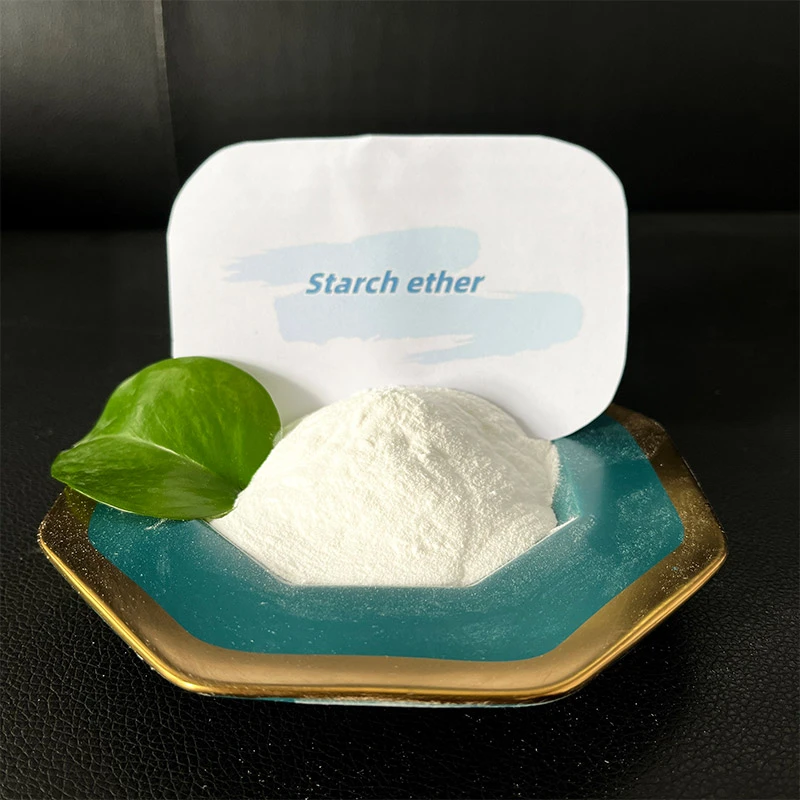
In today’s industrial and personal care sectors, raw materials must deliver more than just functionality—they must offer versatility, cost-efficiency, and environmental compatibility. Among these materials, modified starch types have gained prominence for their wide-ranging applications in construction, coatings, adhesives, and cosmetic formulations. Unlike native starches, modified starches undergo physical, enzymatic, or chemical treatments that enhance their stability, solubility, and performance under different environmental conditions. There are various modified starch types used in industry: oxidized starch, cationic starch, hydroxypropyl starch, and crosslinked starch, among others. Each type offers distinct properties that suit different use cases. For example, oxidized starch is valued in the paper and textile industry for its improved film-forming ability, while cationic starch is favored in wastewater treatment and as a retention aid. Hydroxypropyl starch shows excellent compatibility with surfactants and is widely used in the personal care sector for thickening shampoos and conditioners. In the construction field, modified starch types act as efficient water-retention agents, rheology modifiers, and anti-sagging agents, especially in dry-mix mortars and tile adhesives. The ability of modified starches to control workability and enhance adhesion makes them indispensable for ensuring product performance in various environmental conditions. What sets modified starches apart is their adaptability. Whether incorporated into a facial mask formulation or a cementitious compound, the same base material can be engineered to meet highly specific application goals. Their bio-based origin also contributes to sustainability goals, making them increasingly relevant in today’s environmentally conscious market. Starch Ether: A Functional Additive Transforming Construction Materials Among the modified starch types , starch ether stands out as one of the most valuable derivatives for the construction industry. It is primarily used as a thickener, stabilizer, and water retention agent in cement-based and gypsum-based materials. Whether in tile adhesives, skim coats, self-leveling underlays, or exterior insulation systems, starch ether significantly improves workability and performance. The incorporation of starch ether enhances the open time of plasters and adhesives, ensuring better application and correction capabilities. It prevents segregation, provides a smooth texture, and reduces cracking by maintaining consistent moisture levels. This is especially important in high-temperature or low-humidity environments where premature drying can lead to inferior bonding or surface defects. In dry-mix mortar systems, starch ether is used in combination with cellulose ethers to optimize viscosity and anti-slump behavior. Its efficiency at low dosages makes it a cost-effective choice for manufacturers seeking performance without a significant increase in formulation costs. The personal care industry also benefits from starch ether in products such as body powders, facial masks, and emulsions. It enhances the texture and sensory feel of the product, offering a natural alternative to synthetic polymers while improving spreadability and consistency. As industries push toward multifunctional ingredients, starch ether continues to offer a practical and economical solution for both formulation efficiency and product performance, especially in applications where flow control and water retention are crucial. Starch Ether China: Global Supply Hub for High-Performance Industrial Starches When discussing high-quality and competitively priced starch ether , it's impossible to ignore the central role of starch ether China in the global supply chain. Chinese manufacturers have become leading players in the production and innovation of industrial-grade starch ether, supplying to regions across Europe, Southeast Asia, the Middle East, and beyond. The growth of starch ether China is attributed to several factors: abundant raw material availability, advanced production technologies, and a strong export infrastructure. Manufacturers in China offer diverse specifications tailored to customer needs, including varying degrees of substitution, moisture content, and granule size. This flexibility makes them an ideal partner for businesses seeking customized formulations. Many of these producers adhere to international quality standards, including ISO, REACH, and SGS certifications. Their products meet the rigorous demands of industries such as construction, coatings, and personal care, ensuring batch consistency and reliable performance. Moreover, Chinese suppliers often provide technical support and R&D services, helping customers achieve optimal results with their formulations. The rapid development of starch ether China is also driven by its integration into large-scale infrastructure and housing projects domestically. This fosters constant innovation, allowing Chinese manufacturers to stay ahead of the curve in terms of application performance, sustainability, and economic feasibility. By sourcing from starch ether China , global buyers can reduce procurement costs without compromising on product quality—a key advantage in today’s competitive markets. Navigating the Starch Ether Price Landscape: What to Know Before Buying Understanding the dynamics of starch ether price is critical for procurement teams and product developers alike. The price of starch ether can vary based on several factors, including raw material costs (typically corn or tapioca), processing technologies, production scale, and the degree of chemical modification. On average, starch ether price ranges between $1.50 to $3.00 per kilogram in bulk, depending on the quality and performance requirements. Higher grades with specialized properties—such as enhanced viscosity, improved dispersibility, or compatibility with specific polymers—typically command a premium. Freight charges, tariffs, and certifications can also impact final pricing. However, it's not always about finding the cheapest option. Instead, buyers should focus on price-performance ratio. A slightly higher starch ether price may offer superior efficiency, requiring lower dosages and resulting in better application outcomes. This is especially true in dry-mix systems, where stability, water retention, and anti-sagging are non-negotiable. Starch ether sourced from leading starch ether China manufacturers often provides a good balance between cost and performance. Many suppliers offer tiered pricing based on order quantity, with flexible terms for long-term partnerships. Additionally, working directly with manufacturers allows for tailored grades, which can reduce over-specification and further lower overall formulation costs. Before purchasing, always request technical data sheets, samples for testing, and trial formulas to assess actual performance. This ensures you are not only getting the right starch ether price , but also the right product for your intended application. Why Modified Starch Types and Starch Ether Are Essential in Industrial Formulations Choosing the right modified starch types or starch ether depends on a clear understanding of your industry’s requirements. For construction materials, these starch derivatives play a vital role in improving workability, adhesion, and longevity. In personal care, they contribute to texture, moisture retention, and product stability—all essential for consumer satisfaction. With the growing demand for sustainable and high-performance materials, the role of modified starch types and starch ether is set to expand across industries. Whether you’re sourcing from starch ether China or analyzing the best starch ether price , investing in the right product ensures consistent performance and customer satisfaction. starch ether FAQs What are the main applications of modified starch types in industry? Modified starch types are widely used in construction, textile, paper, adhesive, and personal care industries. In construction, they enhance water retention, rheology, and workability of dry-mix mortars and plasters. In personal care, they act as thickeners and stabilizers for creams, lotions, and powders. They are not used in food or pharmaceutical applications in this context. How does starch ether improve the performance of construction materials? Starch ether enhances workability, consistency, and open time in cement and gypsum-based applications. It helps maintain moisture within the mortar, preventing premature drying and cracking. When used with cellulose ethers, it further improves anti-slump and anti-sagging properties, which is crucial in vertical applications like wall plaster and tile adhesive. Why is starch ether China a preferred source for global buyers? Starch ether China producers offer high-quality, cost-effective materials with excellent customization options. Their large production capacity, adherence to international standards, and technical support make them ideal for global importers. Additionally, their ability to offer tailored formulations helps meet specific industrial requirements. What factors affect starch ether price in the market? Several variables influence starch ether price , including raw material costs, processing technology, product grade, order volume, and shipping fees. Customized grades or special packaging can also impact pricing. While cheaper products are available, it’s important to evaluate performance to ensure long-term cost efficiency. Can modified starch types and starch ether be used in food or pharmaceutical applications? No, the modified starch types and starch ether discussed here are strictly for industrial and personal care use. They are not processed or certified for consumption or medicinal use. Always ensure that the starch product you purchase matches the regulatory and safety standards of your intended application field.
-
When we think of modified starch , it’s often associated with food and textiles, but its applications go far beyond those sectors. In the industrial and construction fields, modified starch plays an essential role, particularly in improving the performance and durability of various materials. From enhancing the properties of building products to aiding in construction processes, starch ether for construction has become a versatile additive. This article will delve into the modified starch uses in industrial buildings, showcasing the wide range of benefits it offers to the construction industry. Types of Modified Starch for Industrial Construction Modified starch is not a one-size-fits-all solution. There are various types of modified starch designed for specific applications within the construction industry. These modifications often involve chemical processes such as esterification, etherification, or cross-linking, which alter the starch’s properties for better performance. For example, starch ether for construction is specially designed to improve the rheological properties of cement-based products and other construction materials. These starches can be tailored to provide better viscosity control, improve adhesion, or enhance water retention. For industrial buildings, the types of modified starch used include starches modified for specific performance traits. Some types are better for use in adhesive formulations, others for gypsum or cement mixtures, and some are ideal for improving the texture and workability of plaster or mortar. With these versatile types of modified starch, manufacturers can meet the diverse needs of the construction industry by providing products that are strong, durable, and easy to apply. Starch Ether for Construction Starch ether for construction is a key innovation in the construction sector. It is used to modify the properties of cement, plaster, and mortar to achieve desired results in terms of consistency, water retention, and bonding strength. The role of starch ether in construction materials is vital, as it enables manufacturers to create more efficient and workable products, which ultimately leads to better construction outcomes. For example, starch ether for construction can help increase the spreadability and uniformity of plaster, making it easier to apply and reducing the chances of air pockets or bubbles. Additionally, these modified starches can improve the workability of self-leveling floor compounds and tile adhesives, which are essential in modern industrial building projects. The ability to modify the properties of cement and mortar with starch ether helps construction companies streamline their processes and improve the quality of their finished structures. Starch Ether Manufacturers in the Construction Industry The growing demand for starch ether in construction materials has led to the emergence of numerous starch ether manufacturers who specialize in creating tailored products for the construction industry. These manufacturers use advanced technologies to modify starch, providing customers with a wide range of options to suit their specific needs. As the construction industry moves toward more sustainable and efficient building practices, starch ether manufacturers are continuously improving their products to ensure they meet evolving standards. By focusing on creating more eco-friendly, cost-effective, and high-performing starch ethers, these manufacturers are playing a crucial role in the transformation of industrial building materials. Their products are increasingly being used in everything from lightweight concrete to high-performance adhesives, showcasing the versatility and importance of starch ether in modern construction. Benefits of Using Modified Starch in Industrial Construction The use of modified starch in industrial construction offers a wide array of benefits. By enhancing the properties of construction materials, these starches contribute to the strength, durability, and functionality of buildings and structures. Modified starch offers improved water retention, which is essential for the workability of plaster, mortar, and cement mixtures. This allows construction workers to apply the materials more easily and with greater precision. Another key benefit is the enhanced adhesion and bonding strength provided by starch ether for construction . This ensures that materials such as tiles, plaster, and adhesives stay securely in place, reducing the likelihood of cracking, peeling, or separation over time. Additionally, modified starch can help improve the texture and finish of construction materials, providing a smoother and more aesthetically pleasing result. As a result, buildings made with materials containing modified starch are more resilient and visually appealing. The Future of Modified Starch Uses in Construction The future of modified starch in construction looks promising. As the industry continues to evolve, the demand for sustainable and high-performance materials is increasing. Starch ether for construction has already proven its value, and future innovations in starch modification will likely enhance its application even further. Researchers are exploring ways to make modified starch more versatile, such as creating starch-based products that offer even better moisture resistance, increased fire retardancy, and improved environmental impact. The role of modified starch will only grow as construction companies and manufacturers embrace green building practices. Starch is a renewable resource, making it an ideal choice for companies looking to reduce their carbon footprint and produce more sustainable building materials. As more and more starch ether manufacturers develop eco-friendly products, the use of modified starch will become an integral part of the construction industry's move toward sustainability. Modified Starch FAQs What is modified starch and why is it used in construction? Modified starch refers to starch that has been chemically altered to enhance its properties. In construction, it is used to improve the workability, adhesion, and water retention of materials like plaster, mortar, and cement. What are the benefits of using starch ether in construction? Starch ether for construction offers improved workability, better adhesion, and enhanced water retention in construction materials. It helps improve the performance and durability of plaster, mortar, adhesives, and other building materials. Who are the leading starch ether manufacturers in the construction industry? There are many reputable starch ether manufacturers specializing in producing modified starch for construction. These manufacturers focus on delivering high-performance, eco-friendly, and cost-effective starch ether products tailored to the needs of the construction industry. Can modified starch improve the quality of plaster and cement? Yes, modified starch significantly improves the quality of plaster and cement. It enhances water retention, which allows for better workability, and improves adhesion, ensuring that these materials stay intact over time. Is modified starch environmentally friendly? Yes, modified starch is an environmentally friendly material. It is derived from renewable resources like corn, wheat, or potatoes, making it a sustainable option for construction applications. Moreover, starch-based products are biodegradable and have minimal environmental impact compared to synthetic alternatives. Investing in modified starch for your construction projects can significantly improve the quality and performance of your materials while promoting sustainability. Explore our range of starch ether for construction products and see how they can enhance your building processes. Visit our website today to learn more and purchase high-quality starch ether that meets your specific construction needs.
advantages
-

200000 Viscosities
Excellent product
We can produce pure products up to 200,000 viscosities
-

40000 tons
High yield
We don’t stop production all year round, and the annual output can reach 40,000 tons
-

24 hours
Quality service
We provide 24-hours online reception service, welcome to consult at any time
———— Inquiry Form
Schedule A services


-
 acrylic_fiber
Oct . 25, 2025
Hydroxypropyl methylcellulose (HPMC), a versatile pharmaceutical excipient, plays a crucial role in -
 tyre_rubber_powder_uses
Oct . 25, 2025
Hydroxypropyl methylcellulose (HPMC) cellulose, a derivative of cellulose, is revolutionizing the fo -
 hpmc_gel
Oct . 25, 2025
The HPMC USP monograph serves as a critical benchmark for hydroxypropyl methylcellulose (HPMC) in ph


